Dead Yard
Four-channel video installation / experimental documentary
2023
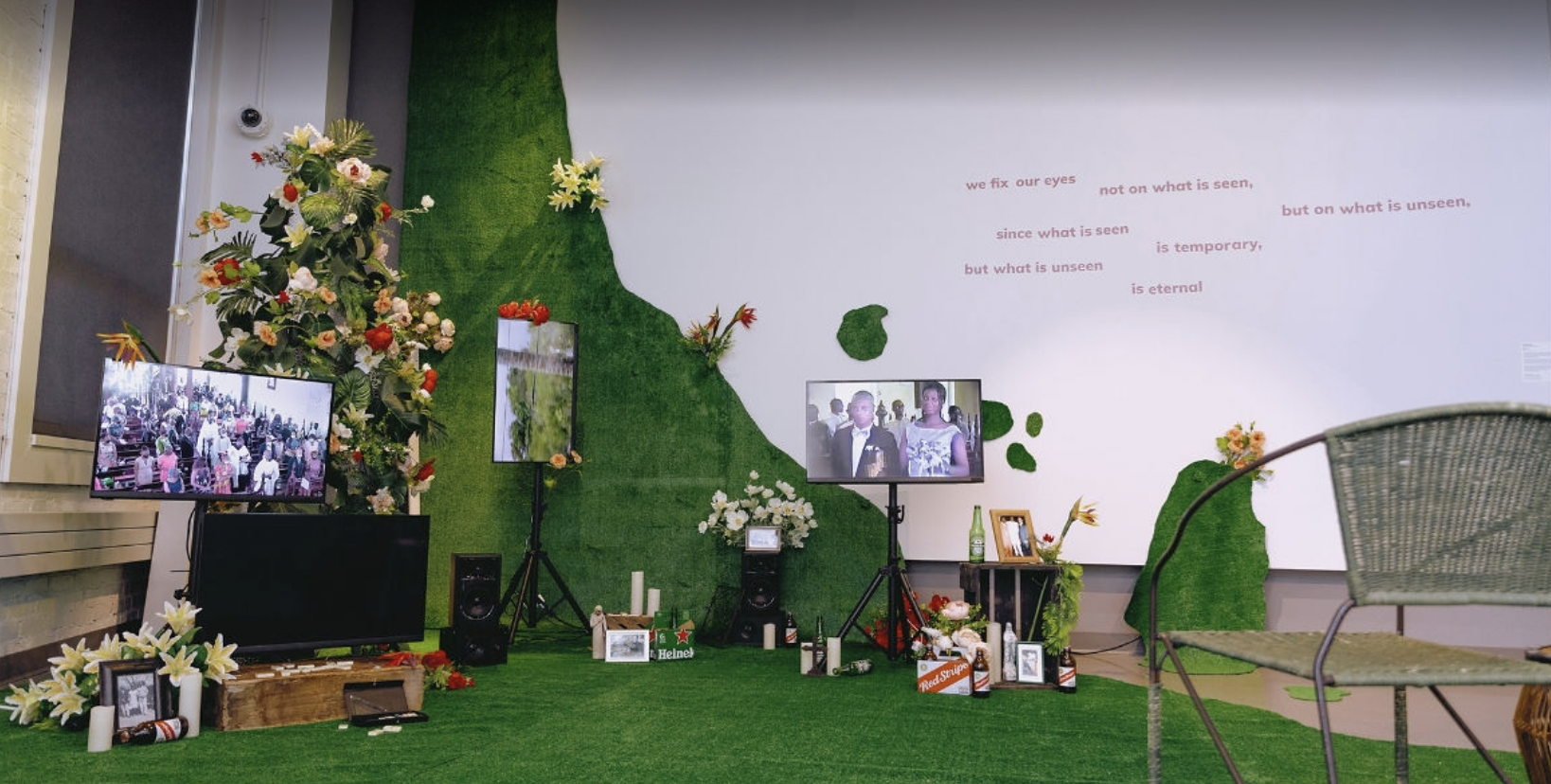
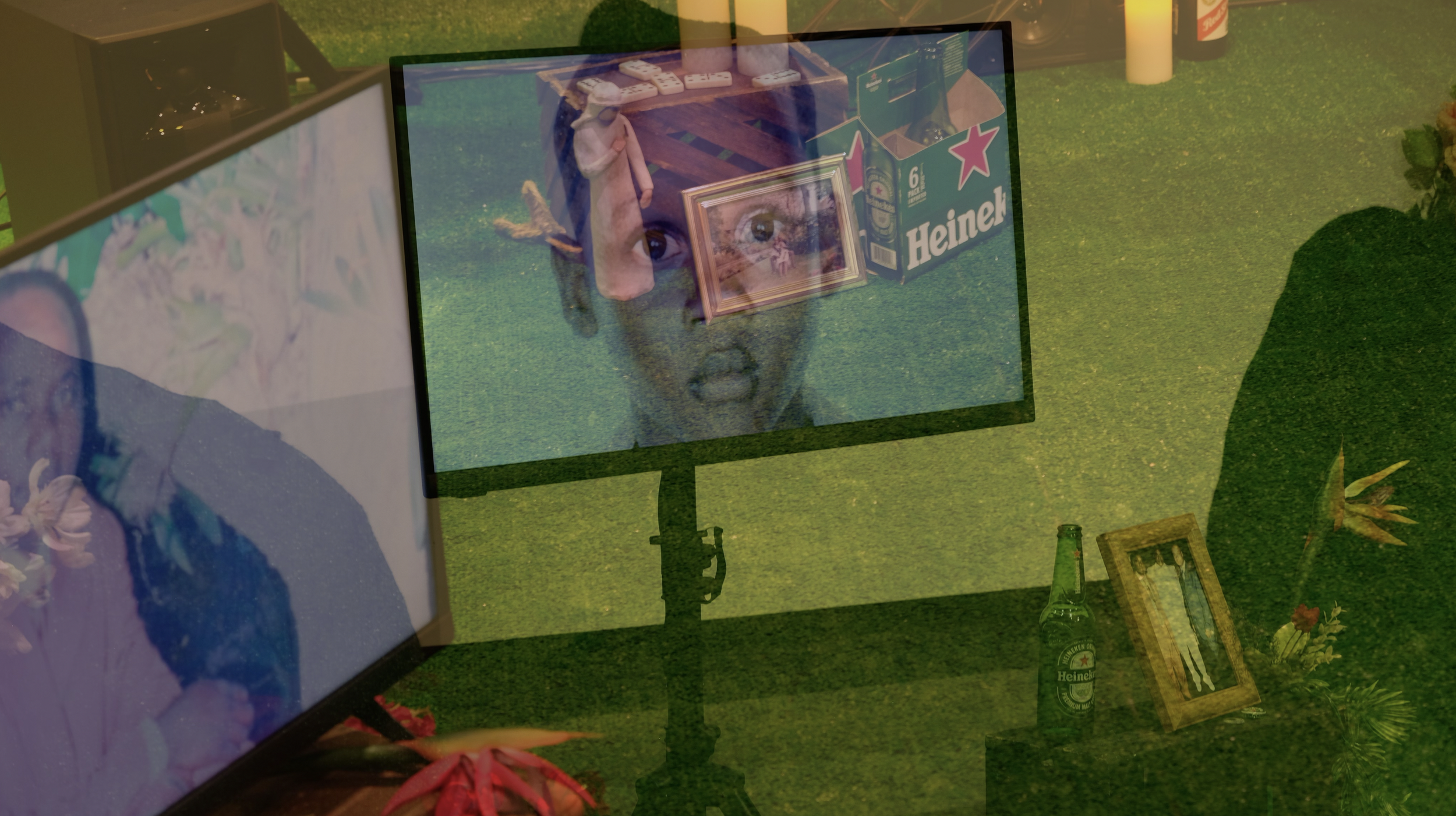
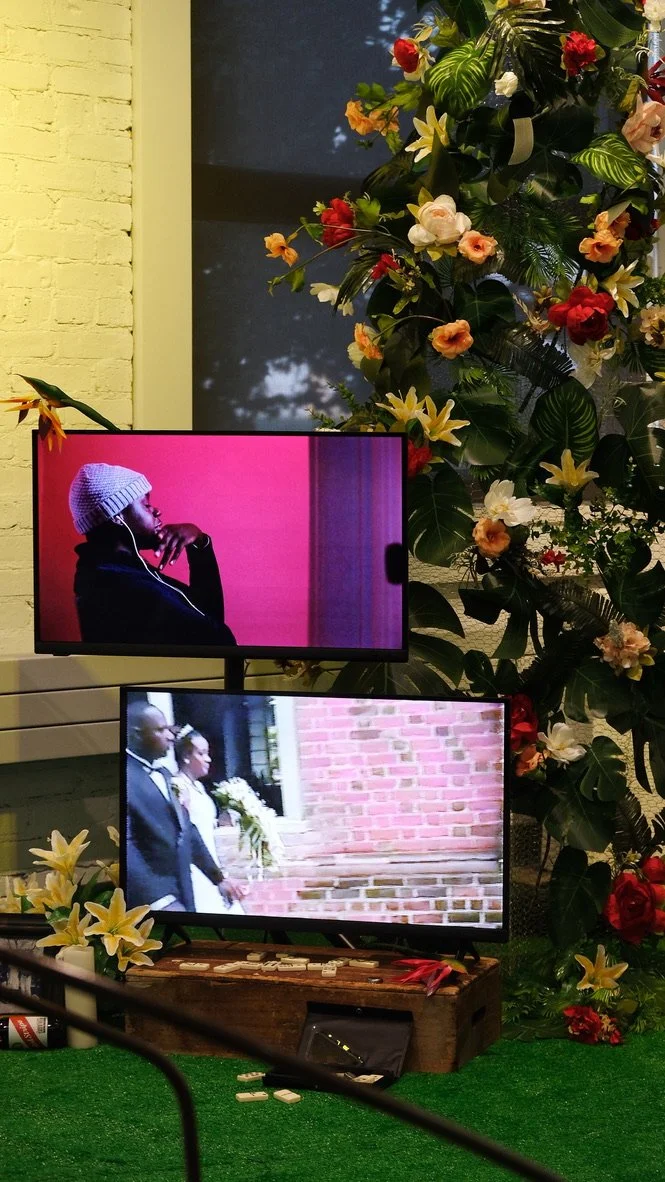
A documentary installation transforming the Jamaican dead yard into a living memorial for my father, constructed through documentary, family archive, sound, and the Jamaican ritual of the dead yard.
Synopsis:
Drawing from the Jamaican tradition of the dead yard - a communal space of mourning, remembrance, storytelling, and gathering - the work reconstructs that ritual within the context of migration.
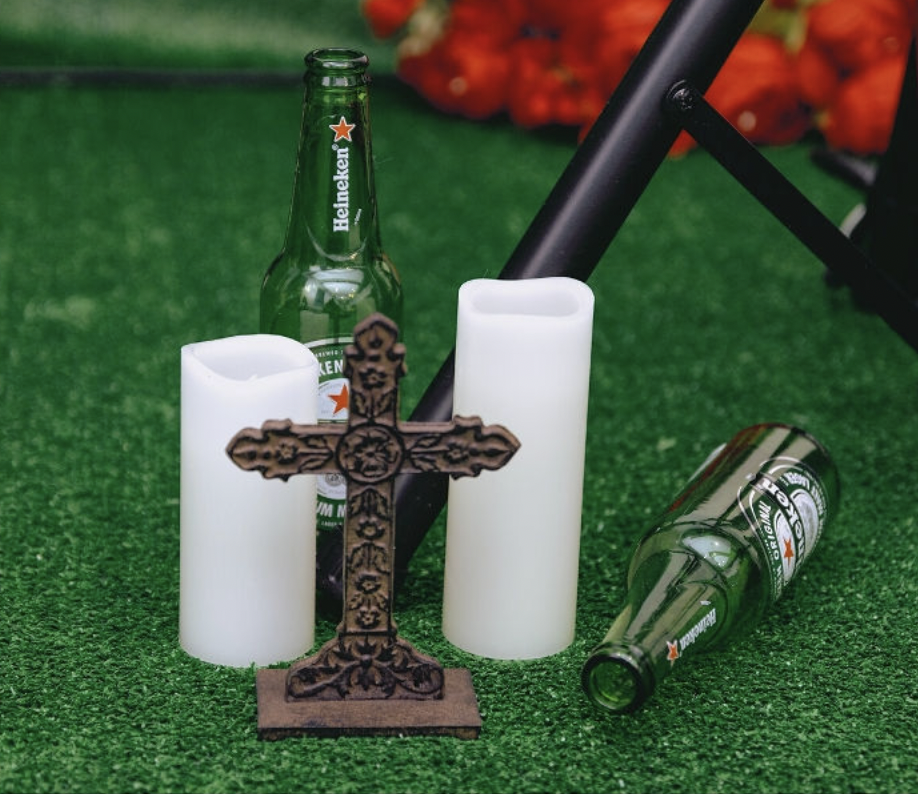
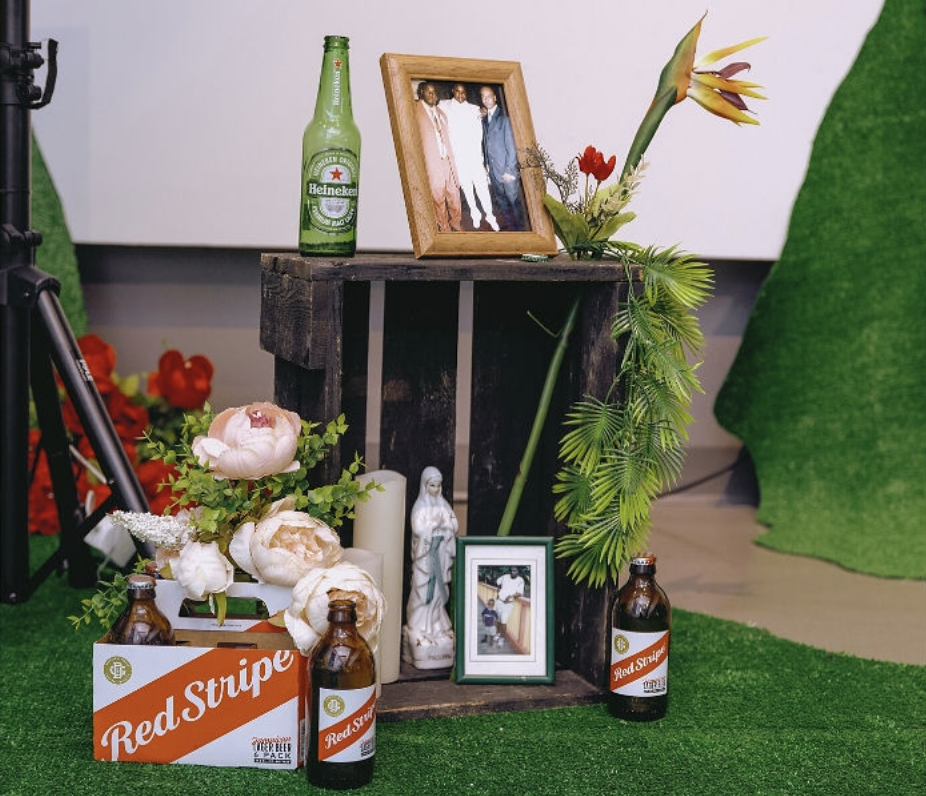
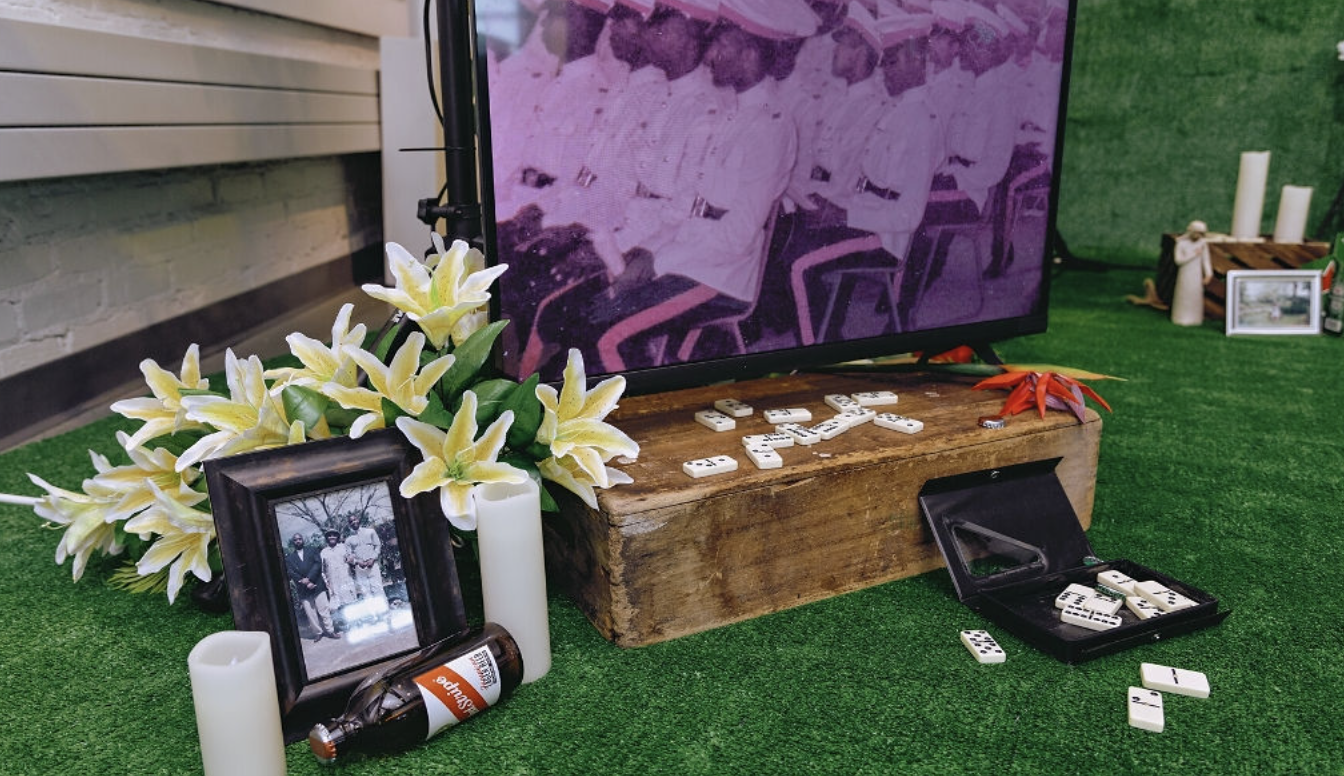
Through conversations with my mother, grandmother, and uncle; archival footage of my parents' wedding and my father's funeral; observational images of Jamaica; and a spatial environment built from objects associated with mourning and home, Dead Yard asks what happens to cultural rituals when grief occurs far from the place where those rituals were formed.
The installation became my attempt to create a dead yard that could travel with me: part documentary, part archive, part memorial, and a place where mourning does not have to end.
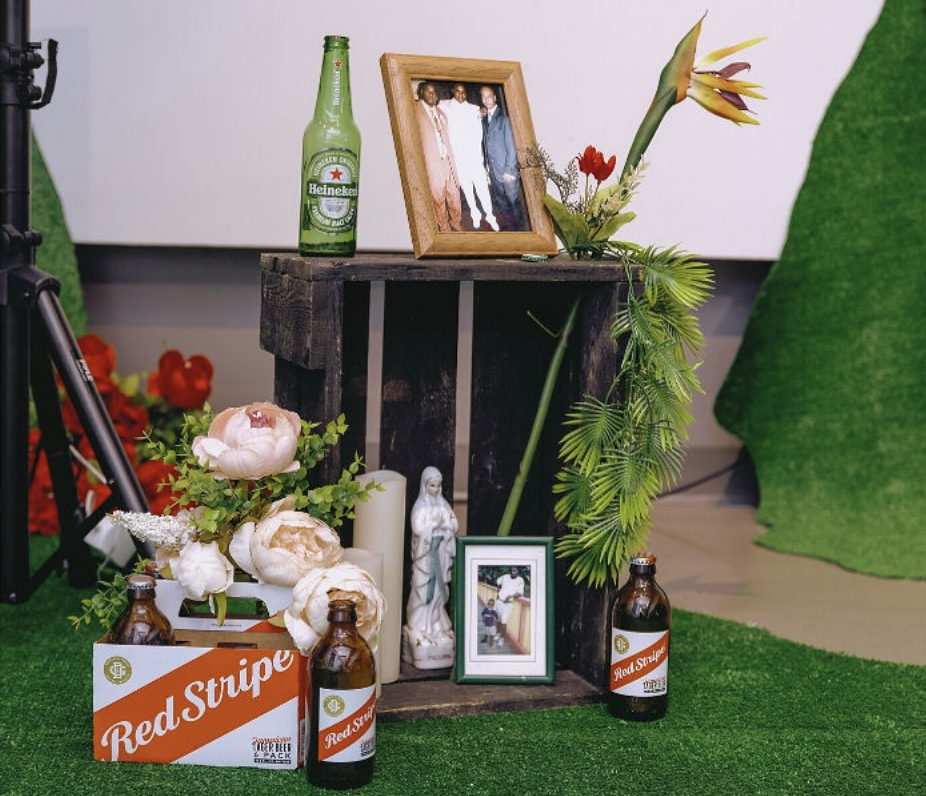
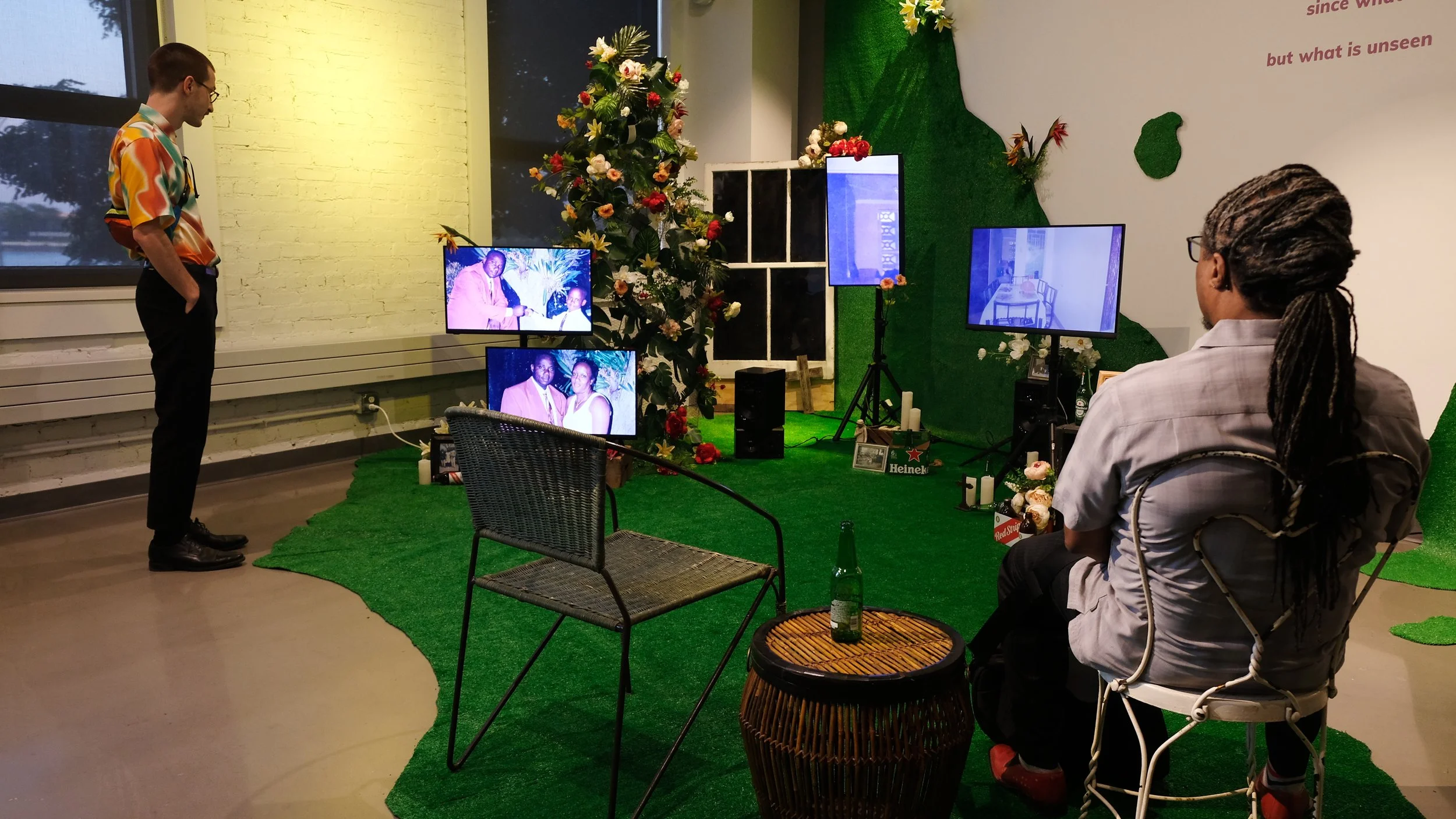
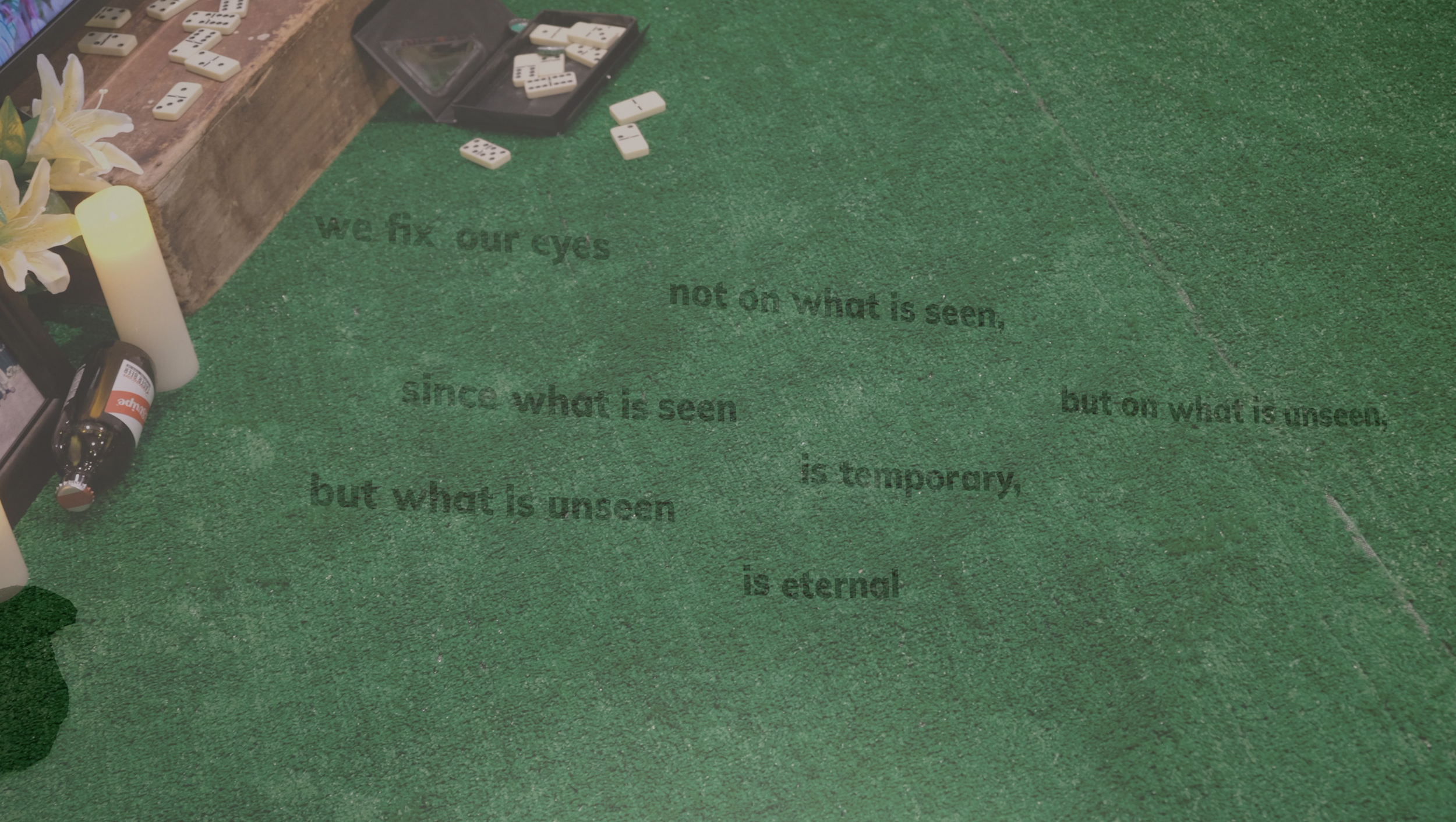
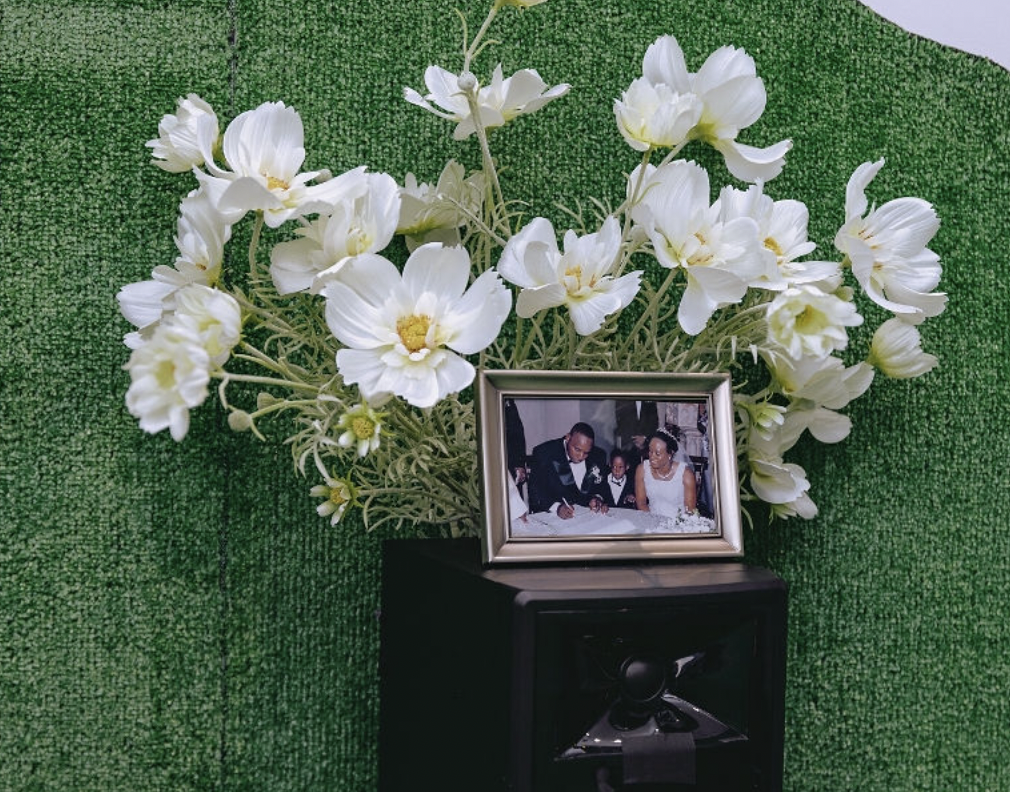
What is a Dead Yard?
In Jamaica, mourning extends beyond the funeral. A dead yard is a gathering around the home of someone who has died: family, neighbors, food, prayer, music, storytelling, remembrance, and presence. Grief becomes communal rather than private.
After immigrating to the United States, I became interested in what happens to rituals like these when distance separates us from the communities and landscapes that sustain them. Dead Yard began as an attempt to reconstruct that space for myself.
The Music of the Installation
The score for Dead Yard is built from traditional Jamaican mourning and dead yard songs, reinterpreted for the installation.
Rather than using those songs as archival references, I wanted to bring them into the same process of transformation as the rest of the work. Familiar hymns and mourning songs are reshaped through new arrangements, textures, and sound design, allowing them to move between tradition and memory, Jamaica and Chicago, the communal ritual of the dead yard and my own experience of grieving my father from afar.
The music functions as more than accompaniment. It carries the spiritual language of the dead yard into the installation itself. At times it feels like church, at times like a yard gathering, and at times like a memory that has become distant or distorted. Environmental sounds - birds, fire, voices, silence - move alongside the music, extending that world beyond the four screens and into the room.
In this way, the score mirrors the larger gesture of Dead Yard: taking a cultural practice rooted in a particular place and asking how it might be carried, reinterpreted, and kept alive elsewhere.
Beyond the Funeral
Dead Yard began with a personal loss, but the work eventually led me toward a larger question: what happens to rituals when the people who practice them migrate?
Living in the United States meant that mourning my father also meant confronting distance - from Jamaica, from family, and from forms of grieving that depend upon community and physical gathering.
I became interested in whether documentary itself could become ritual. Could recorded testimony function as oral history? Could family video become an altar? Could an installation become a place one returns to? Could technology help us carry sacred practices into places they were never designed to inhabit?
Dead Yard doesn't attempt to replace the ritual it comes from. It asks what that ritual might become when home is somewhere else.